Deja Becknell
Active patients and athletes. Research shows a 20% improvement in endurance with OPC supplementation versus placebo, and a significant reduction in muscle cramping.
Female patients. Clinical trials show OPCs can reduce mild menstrual pain when supplementation begins at least one week prior.
General preventive use. Daily OPC-3 supports sustained antioxidant defense across patient age groups.
Chondroitin sulfate helps retain water in cartilage tissue and inhibits enzymes that contribute to cartilage breakdown.
MSM supplies bioavailable sulfur and supports recovery from exercise-induced joint inflammation.
Boswellia serrata inhibits 5-LOX, an enzyme involved in the synthesis of pro-inflammatory leukotrienes. Unlike NSAIDs, it does not inhibit COX enzymes.
When most people hear the word inflammation, they picture something visible: a swollen ankle, a red bee sting, the warmth around a cut that’s healing. That kind of inflammation is acute. It shows up fast, does its job, and resolves. It’s the immune system working exactly as it should.
But there’s another kind that works very differently. It’s low-grade, systemic, and largely invisible. Over time, it can affect everything from energy levels and sleep quality to digestion, mood, and long-term disease risk.
The immune system releases signaling proteins called cytokines to coordinate the body’s response to threats. In chronic low-grade inflammation, cytokine levels stay elevated, not dramatically, but persistently. Over time, this places ongoing stress on tissues and organs:
Research consistently associates the following with elevated inflammatory markers:
On the other side, certain nutrients have well-documented anti-inflammatory effects:
None of these confirm chronic inflammation on their own. But taken together, they’re worth a conversation with your healthcare provider.
I’m reaching out personally to address the recent launch of Discover Champions™. I want to acknowledge that for some of you, this hasn’t been the experience you were promised. We’ve heard concerns about scheduling, billing, and reaching our Family Support team. We hear you, and we take full responsibility.
Your family deserves a platform that’s simple, supportive, and reliable. And we’re working hard to improve your experience as quickly as possible.


wherever duty calls.
our mission.
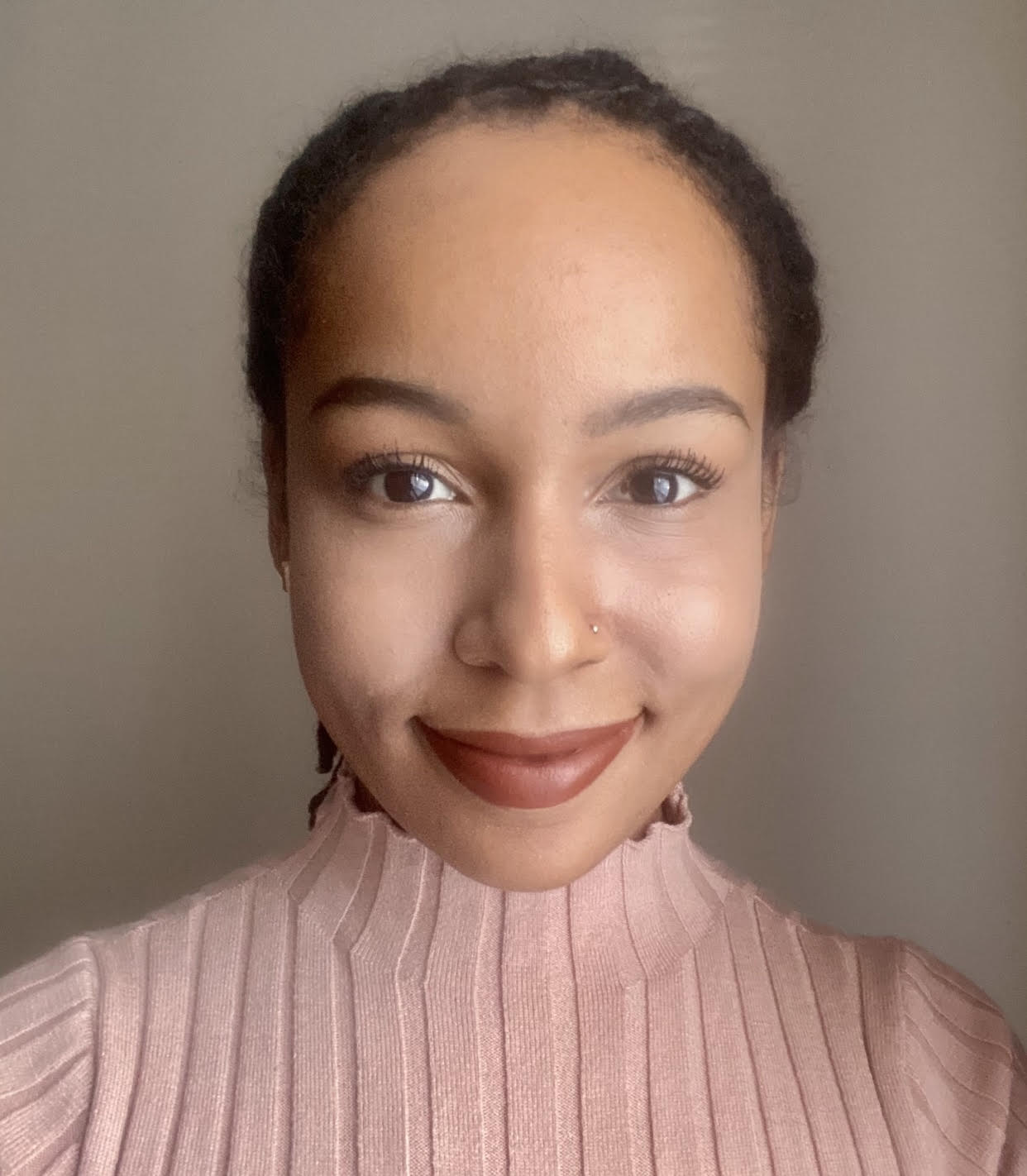
Writing was never something I decided to do, it was just always the thing I reached for as a kid. Now I do it professionally, and the goal is always the same: use words to make people feel or understand something.
I’m based in NC, and outside of work you’ll find me hunting down a new restaurant I read about, halfway through a crochet project, hosting my local book club, or trying something I’ve never done before. (Currently: pottery).